The post-2030 UN development agenda. New Heritopolis Working Papers volume, co-edited by Dr. Joanna Sanetra-Szeliga highlights Heritage’s role in localising SDGs in metropolises
Heritopolis, an initiative involving UNESCO Chairs from around the world, including Krakow University of Economics UNESCO Chair for Heritage and Urban Studies, has released the second volume of its Working Papers series, titled “The Role of Heritage in Localising SDGs in the Metropolis”, capturing the latest research and international dialogue on how cultural and natural heritage can drive sustainable urban development. One of the general editors of the volume is Dr Joanna Sanetra-Szeliga from the Kraków University of Economics UNESCO Chair. The Working Paper was published by the Heritopolis initiative and UN-HABITAT MetroHub.
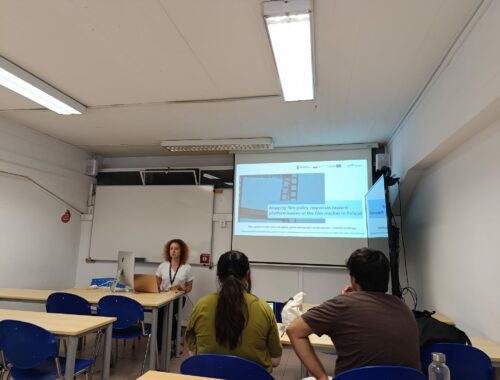
The publication brings together insights from five regional workshops held in Istanbul, Shanghai, Guadalajara, London, and Mombasa, as well as three research forums featuring contributions from 11 universities and institutions worldwide. The studies and discussions reflect on the evolving significance of heritage amid rapid demographic, economic, and environmental changes, and position heritage as a vital resource for the common good in today’s expanding metropolitan areas.
Key themes include:
- Heritage as a resource for wellbeing: the volume explores how both tangible and intangible heritage can foster vibrant communities, unique identities, and spatial sustainability in growing conurbations.
- Localising the SDGs: with most of the world’s urban population projected to live in metropolises by 2035, the papers advocate for integrating heritage into the localisation of the Sustainable Development Goals (SDGs), particularly SDG 11 on Sustainable Cities and Communities, but also across education, economic growth, and environmental targets.
- Innovative approaches: the workshops and forums showcase new methodologies for mapping metropolitan landscapes, integrating rural-urban linkages, and involving communities—especially youth—in heritage preservation and urban resilience.
- Policy recommendations: the volume calls for comprehensive metropolitan policies that recognise the dynamic nature of heritage and its impact on future generations, emphasising participatory governance, cross-border cooperation, and digital innovation in heritage management.
The Heritopolis Working Papers Vol. 2 is available under a Creative Commons license and aims to inform planners, policymakers, and stakeholders as preparations begin for the post-2030 UN development agenda.